
Richard Lipp Showcase
Richard Lipp : History & Characteristics
Construction and Craftsmanship: The Foundations of Excellence:
The superior tonal quality of Richard Lipp & Sohn pianos was no accident but the result of meticulous construction methods and an unwavering commitment to high-quality materials:
* Emphasis on Hand Craftsmanship: Richard Lipp himself insisted that while the company utilized modern manufacturing techniques like steam power, the most crucial parts of the piano, those integral to its touch and tone, were to be crafted by hand. This ensured a level of precision and “feeling” that machines alone could not replicate.
* Innovative Design: The aforementioned cross-stringed (overstrung) design introduced in the 1860s was a significant innovation that contributed greatly to the power and resonance of their pianos.
* Quality Materials:
* Wood Selection: The firm placed enormous importance on the selection and aging of woods. They maintained “mighty wood stores,” ensuring that various types of wood necessary for both the interior and exterior construction were cut and seasoned for many years in advance. Spruce was specifically mentioned for its use in soundboards, prized for enhancing tone quality, durability, and sonic maturity.
* German Components: High-quality German strings, tuning pins, and pin blocks were utilized, further contributing to the instruments’ stability and tonal excellence.
* Meticulous Building Process: Lipp adhered to a principle of allowing “a longer pause after each stage of work” during the ten to twelve stages of piano construction. This patient approach was aimed at achieving “complete safety and durability of the construction,” meaning a relatively large number of instruments were always in various stages of completion, ensuring each was built to the highest standard.
* Superior Touch: Alongside the tonal qualities, Lipp pianos were known for their “superior touch,” providing a responsive and satisfying playing experience for the pianist.
In essence, the tonal quality and excellence of Richard Lipp & Sohn pianos stemmed from a holistic approach that combined innovative design, the finest materials, meticulous and patient craftsmanship, and a deep understanding of the acoustic principles that create a truly musical instrument. This dedication ensured their legacy as one of Germany’s most prestigious “old world” piano manufacturers.
The Acclaimed Sound of Richard Lipp & Sohn Pianos: A Legacy of Tonal Excellence
Richard Lipp & Sohn pianos, originating from Stuttgart, Germany, carved a distinguished reputation for their exceptional tonal quality and overall excellence. For over a century, these instruments were celebrated by musicians and enthusiasts for a sound that was consistently described as rich, warm, and remarkably powerful.
Hallmarks of the Lipp Tonal Character:
Reports and descriptions from experts, restorers, and owners consistently highlight several key characteristics of the Richard Lipp piano sound:
Power and Fullness:
Lipp pianos, particularly those incorporating their innovative cross-stringed design, were known for a "powerful fullness of tone." This design, featuring a unique rest and plate construction with a very oblique string action and large scale length, was considered sensational at the time.
Melodic and Pristine:
Tone: Beyond mere power, the tone was often described as melodic and pristine, indicating clarity and a singing quality.
Richness and Warmth:
A defining feature was a deep, resonant warmth that provided a full-bodied and pleasing auditory experience.
Unique, Charming Character:
Many Lipp pianos are also noted for possessing a unique and charming character, a testament to their individual craftsmanship and the quality of aged materials.
Wide Dynamic Range:
These instruments offered pianists a broad spectrum of expression, from delicate pianissimos to robust fortissimos, across both the bass and treble registers.
Eleanor Fernandes showcases
the Richard Lipp
Eleanor Fernandes is a classically trained pianist based in Nottingham. In 2020, she graduated with a first class honours degree in Music and Classical Piano Performance from Leeds Conservatoire. Showcasing the unique capabilities of the Richard Lipp, with a bass section that stands apart from any other piano before or after the Lipp piano is unique.
La Fille Aux Cheveux De Lin (The girl with the flaxen hair), Claude Debussy
Smooth and transcendental, it’s easy to see why ‘The girl with the flaxen hair’ is one of Debussy’s most recorded pieces. It’s the eighth piece in the first book of Préludes, from 1909-1910
In The Mists: Andante (Movement One) , Leos Janacek
In the Mists paints a mesmerizingly foggy atmosphere that, upon closer look, is hiding all kinds of imagery and imagination.
Three Sketches: Rosemary, Frank Bridge
‘Rosemary’ comes from a set of ‘Three sketches for Piano’ and is one of Bridge’s best known piano pieces.
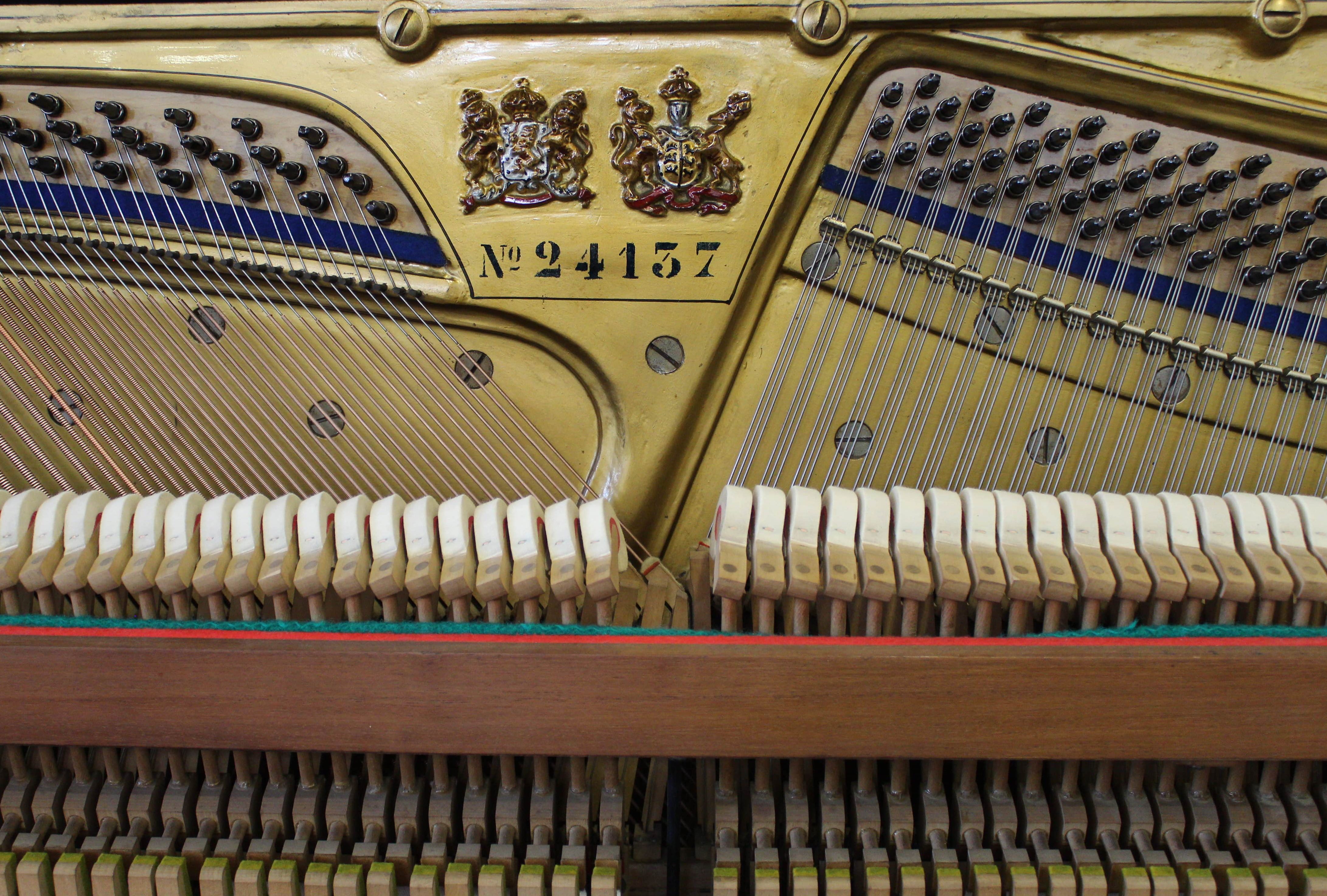
Richard Lipp
“An unparalleled collection from a maker with an almost legendary status amongst piano lovers”

Testimony To The Lipp
Jimbob on Instagram & YouTube
Jimbob visited our showroom with his dad on several occasions, he’d learnt on a digital keyboard and obviously had a natural talent.
Having been given permission to play one of the grand pianos at Chatsworth House to a very surprised appreciative crowd, he was then sure the acoustic piano was his next step.
Their visits were not to single out and purchase a piano, their visits were just to experience all the different pianos. He played everything from Steinway, Bechstein, Bluthner, everything we had.
A few months later he came back with his dad and purchased a Richard Lipp, the best piano by far in their opinion, after trying all the best traditional pianos available.
All his social posts are proudly sat at his Richard Lipp piano, check him out he’s a very talented young man.
It's Never Too Late
Finally here is a customer (self taught) proving no matter how old the Richard Lipp, it’s still capable of a magnificent performance, again he had a showroom full of top end pianos to choose from but it was the Richard Lipp that spoke to him.
The piano rescued from an old chapel in the Nottinghamshire countryside, old, abandoned and unused for countless years, it wasn’t a financially viable project to restore but it’s a Richard Lipp, it’s not all about profit it’s about passion for these old instruments.
I’d never before asked a customer if I may film them but his girlfriend was filming for her socials, reason being she hadn’t believed him when he said he could play the piano, she believed him after this performance.
You must be logged in to post a comment.